Kensington and Chelsea council rubbish permits fines Knightsbridge
Posted on 22/10/2026
Kensington and Chelsea council rubbish permits fines Knightsbridge: a practical guide to staying compliant
If you are dealing with rubbish in Knightsbridge, the phrase Kensington and Chelsea council rubbish permits fines Knightsbridge can sound a bit bureaucratic at first. But in real life it usually comes down to something very simple: where the waste is placed, how long it stays there, and whether the right permissions are in place. Miss one detail and you can end up with avoidable delays, extra costs, or a fine that feels annoyingly easy to prevent.
This guide breaks the topic down in plain English. You will learn when a permit may be needed, why fines happen, what good practice looks like, and how to avoid the common mistakes that catch people out in busy streets, mews, apartment blocks, and commercial premises across Knightsbridge. We will also look at the practical side of planning a rubbish removal so the job is done cleanly, safely, and without any drama. Let's face it, nobody wants a skip or pile of waste becoming the talk of the street.
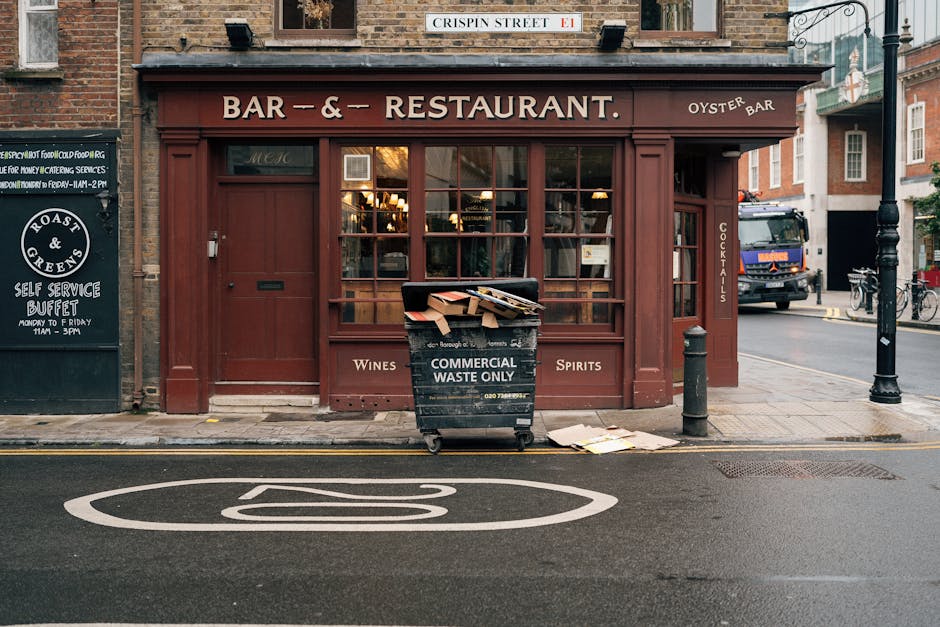
Why Kensington and Chelsea council rubbish permits fines Knightsbridge Matters
Knightsbridge is not the sort of place where waste can be left to chance. Narrow roads, high pedestrian traffic, premium residential buildings, shops with strict access windows, and limited roadside space all make waste management more sensitive than in many other parts of London. A simple clearance job can quickly become complicated if bags, bulky items, or a container are left in the wrong place.
That is why permits, timing, and positioning matter so much. In many local situations, the issue is not the rubbish itself. It is the impact the waste creates on the pavement, carriageway, neighbours, loading access, or public safety. A small oversight can trigger enforcement, especially where a skip, builder's waste, or temporary obstruction blocks access. If you want a broader overview of local rules, the article Knightsbridge council rubbish rules explained is a useful companion read.
From a property owner's point of view, this is more than a box-ticking exercise. A fine can be frustrating on its own, but the indirect costs can be worse: delays to refurbishments, complaints from residents, access problems for deliveries, and extra labour if waste has to be moved twice. In a high-value area like Knightsbridge, those knock-on effects add up quickly.
Expert takeaway: most rubbish fines are not about "having waste" but about using public space badly, missing a permit requirement, or failing to manage the collection responsibly.
In short, knowing the basics helps you protect time, money, and reputation. That matters whether you are managing a flat clearance, a shop refit, a loft emptying, or ongoing business waste.
How Kensington and Chelsea council rubbish permits fines Knightsbridge Works
The practical mechanics are usually straightforward, even if the paperwork is not always exciting. If waste needs to sit on public land, or if a skip, container, or item of bulky rubbish may affect the highway or pavement, a permit may be required. The exact circumstances depend on the location, the type of waste setup, and how long it will remain there. In some cases, even a short-term obstruction can be enough to cause a problem.
Think of it this way: if the waste is fully contained on private property and does not create a public obstruction, the risk is often lower. But once any part of the job spills into shared or public space, you need to think carefully. That includes skips, loading arrangements, and sometimes timed collections where items are left out ahead of pickup.
Fines generally come into play when someone places waste without the proper permission, leaves items out for too long, causes an obstruction, or uses an unlicensed or poorly managed waste arrangement. In practice, this can involve:
- placing a skip without the relevant permission
- leaving waste on the pavement or street too early
- using the wrong collection method for bulky items
- failing to arrange access safely for removal vehicles
- allowing waste to scatter, leak, or block foot traffic
That last one sounds obvious, but on a windy day outside a Knightsbridge townhouse, even a few loose materials can become a nuisance very quickly. Paper, packaging, light builders' waste, and broken-down cardboard have a habit of escaping at the worst moment. It happens.
If your project involves commercial premises, a clearer process is worth its weight in gold. The page on commercial waste removal in Knightsbridge can help you think through the practical side of organised disposal. For business owners, that planning reduces the chance of penalty, complaint, or disruption.
For many readers, the most useful mental model is this: permits are about lawful occupation of space; fines are the consequence of getting that wrong. The earlier you plan, the less likely you are to be dealing with an awkward knock on the door later.
Key Benefits and Practical Advantages
Understanding the permit and fine issue is not only about avoiding a penalty. It also makes the entire removal process smoother. You gain control, and in a busy part of London, control is precious.
- Fewer delays: if the permit or access plan is sorted early, the removal can happen in one clean visit.
- Lower risk of complaints: neighbours, concierge teams, and building managers are less likely to object when everything is orderly.
- Better cost control: you are less likely to pay for rebooking, labour stand-by time, or extra handling.
- Safer working conditions: organised waste handling helps avoid trips, spills, and access bottlenecks.
- Stronger compliance: you reduce the chance of fines, warnings, or enforcement action.
There is also a reputational benefit, which local businesses sometimes underestimate. A shop on Brompton Road, for example, cannot afford a messy frontage during trading hours. If customers have to step around sacks or boxes, the experience feels sloppy no matter how good the product is inside. That is why a tidy, timed removal often matters as much as the removal itself.
For householders, the advantage is peace of mind. If you are arranging a property clear-out, you do not want to spend your weekend checking whether bags are allowed outside or whether the wrong vehicle is causing a fuss. If you are considering a larger clean-up, the pages for house clearance in Knightsbridge and loft clearance in Knightsbridge are helpful starting points.
And if you are weighing disposal options more broadly, it can help to compare methods before committing. Not every job needs the same approach. Sometimes the cheapest-looking option turns into the costliest once the permit issue gets involved. Slightly annoying, but true.
Who This Is For and When It Makes Sense
This topic is relevant to a wider group than many people expect. It is not just about builders or landlords. In Knightsbridge, a permit issue can affect almost anyone who needs to move waste in a controlled urban setting.
You may need to pay attention if you are:
- a homeowner clearing bulky domestic rubbish
- a landlord preparing a flat between tenancies
- an estate manager arranging communal area clearance
- a shop owner doing a fit-out or stockroom clear-down
- a contractor handling builders' waste or refurbishment debris
- an office manager organising a move or archive clear-out
For example, if you are replacing furniture in a top-floor apartment near Lowndes Square, access can be tight, lifts may be small, and the loading space outside may be limited. In that setting, the decision is not simply "how do we remove the waste?" It is "how do we remove it without creating a permission issue or blocking the street?"
That is where local knowledge makes a difference. A crew that understands Knightsbridge access patterns can usually spot the likely bottlenecks before they happen. That includes time windows, road width, building rules, and whether there is a realistic loading position. The article on rubbish access problems in Knightsbridge and Lowndes Square is especially useful if you have awkward access or limited frontage.
It also makes sense to pay attention when the waste is likely to sit overnight. Overnight waste is where small problems become bigger ones. One bin bag outside too long can become a complaint. A small pile can become a mess. A container that was fine at 9am can become a traffic issue by 5pm. You know how it goes.
Step-by-Step Guidance
If you want to stay compliant and avoid fines, the best method is to approach the job in a calm, structured way. Here is a practical sequence that works well in real life.
- Identify the waste type. Is it household rubbish, furniture, construction debris, white goods, or mixed waste? The answer affects the method you choose.
- Check whether the waste touches public space. If any part of the plan involves the pavement, road, or another shared area, treat it as a permit-sensitive job.
- Look at access before you book. Narrow entrances, basement stairs, concierge rules, and parking restrictions all matter.
- Decide whether you need a permit or an alternative solution. In some cases, a timed collection or private loading plan is better than placing a container outside.
- Use a licensed and insured waste operator. This helps reduce compliance risk and improves accountability.
- Schedule the job at the right time. Busy streets and high-footfall periods are not ideal for messy or bulky waste handling.
- Keep waste contained and tidy. Bags should be sealed, loose debris should be boxed or bundled, and bulky items should be ready to move.
- Confirm what happens after collection. You want waste removed promptly, not left behind "just for a minute" because that minute tends to stretch.
If you need a general introduction to service options, the services overview page can help you compare what is available. For pricing considerations, the pricing and quotes page is useful too, especially if you are comparing different removal methods.
A sensible rule of thumb? If your waste plan depends on hope, it is not a plan yet. Build in the access, the timing, and the compliance step before the truck arrives. It saves a lot of hassle later.
Expert Tips for Better Results
In practice, the best results usually come from small, well-timed decisions rather than dramatic last-minute fixes. A few expert habits make the whole thing easier.
- Measure the access route first. Door widths, stair turns, courtyard gates, and vehicle loading space can all change the method.
- Match the disposal method to the waste. Furniture, appliances, builders' rubble, and mixed junk should not be treated as identical.
- Keep communication simple. If you live in a managed building, tell the concierge or building manager what day and what time the removal is happening.
- Book ahead when possible. Short notice is sometimes necessary, but advance planning gives you more options and fewer surprises.
- Prepare the waste before the collection window. Disassembly, bagging, and sorting reduce the chance of overstaying in public view.
Another tip: do not assume a quiet-looking side street means low enforcement risk. Knightsbridge streets can appear calm at a glance, then a delivery lorry, taxi, or resident's car appears right when the waste is being moved. Timing matters more than people think.
For businesses with regular waste output, it is worth building a routine rather than treating each job separately. If you are managing stockroom clear-outs, office moves, or retail refurbishments, the page on waste removal in Knightsbridge may give you a useful sense of the service options available. If you want to understand the compliance side of collection providers, see waste carrier licence and compliance.
And one human note from experience: the smoothest jobs are usually the boring ones. No drama, no rushing, no "we'll just leave it here for now." Boring is good.
Common Mistakes to Avoid
Most avoidable fines and disputes come from a fairly short list of mistakes. If you know them in advance, you are already ahead.
- Leaving waste out too early. Even if collection is coming, putting it out well in advance can create a public nuisance.
- Assuming someone else sorted the permit. Never rely on vague assurances. Confirm who is responsible.
- Using the wrong collection method for bulky waste. A sofa or appliance is not the same as bagged household rubbish.
- Ignoring building rules. Some managed properties have their own loading windows and access procedures.
- Overloading the frontage. What seems like a tidy stack from indoors can look obstructive from the pavement.
- Hiring an unverified operator. If the waste carrier is not properly compliant, problems can follow long after the collection day.
A common Knightsbridge scenario goes like this: a resident clears a flat, leaves items by the kerb on an evening before collection, and assumes it is fine because "it will be gone tomorrow". By morning, the street is busier, the bags have shifted, and the whole thing looks untidy. That is exactly the sort of situation that can attract attention.
Another pitfall is mixing legal disposal with convenience disposal. Just because a waste stream is inconvenient does not mean it can be handled casually. White goods, furniture, and builders' debris each require a sensible method. If you are dealing with appliances, the page on white goods and appliance disposal in Knightsbridge is worth a look.
Truth be told, the biggest mistake is underestimating how quickly a neat arrangement can look messy in a public street. One gust of wind, one missed collection slot, and suddenly it is a problem. Not ideal.
Tools, Resources and Recommendations
You do not need complicated software to manage rubbish compliance well, but a few practical tools can make things easier.
- A tape measure: useful for checking entrances, lifts, courtyards, and loading clearances.
- A camera on your phone: helpful for documenting access points, waste condition, and any pre-existing obstacles.
- A simple checklist: useful for confirming the waste type, access window, and collection timing.
- Basic labels or marker pens: handy for separating reusable items, recyclables, and disposal waste.
- A trusted quote comparison: compare method, access needs, and included handling rather than only the headline price.
If you are weighing up costs, the article rubbish clearance prices in Knightsbridge: a real cost guide can help you think about value rather than just the first number on a quote. For safety and handling standards, the page on insurance and safety is also worth reviewing.
For people who want a wider context, recycling and sustainability is useful because compliance is not only about avoiding fines. It is also about sending waste to the right place and reducing avoidable landfill where possible.
If you are still in the planning stage, browsing rubbish collection in Knightsbridge can help you match the collection approach to the type of waste and the kind of property you are dealing with. Small detail, big difference.
Law, Compliance, Standards, or Best Practice
This is the section where careful wording matters. Rules around waste, permits, and fines can vary according to the exact site conditions and the type of waste involved. So the safest way to think about it is this: if your rubbish or container may affect public space, assume compliance needs attention before the job starts.
Best practice in London generally includes:
- keeping waste on private land where possible
- securing any permission needed for occupation of the highway or pavement
- using a properly licensed waste carrier
- preventing spillage, leakage, and wind-blown litter
- avoiding obstruction of pedestrian or vehicle movement
- keeping records of the arrangement, particularly for business waste
For commercial premises, records matter more than people sometimes realise. If you can show that the waste was handled responsibly, by a compliant operator, and within an organised process, you are already in a far stronger position. The page on commercial waste removal in Knightsbridge fits neatly into that picture.
A final compliance point: do not treat "it's only temporary" as an excuse. Temporary obstruction can still be a problem if it affects access, safety, or the public highway. Temporary is still temporary. The street does not care much for intentions.
Options, Methods, or Comparison Table
Choosing the right method is often the most effective way to avoid permit headaches and fines. Here is a simple comparison of common approaches used in Knightsbridge.
| Method | Best for | Permit risk | Practical note |
|---|---|---|---|
| Timed waste collection | Bagged waste, lighter clear-outs, quick removals | Lower if items stay private | Best when access is good and waste can be moved quickly |
| Skip or container placement | Refurbishments, bulky mixed waste, longer projects | Higher if placed on public land | Needs careful planning, especially on narrow roads |
| Man-and-van style clearance | Furniture, household clutter, smaller office moves | Usually lower | Flexible, but access timing still matters |
| Full property clearance | House, loft, or office emptying | Depends on access and staging | Best when the site needs a complete, coordinated approach |
In many Knightsbridge situations, a man-and-van or coordinated clearance is the simplest option because it reduces time spent in the street. That said, a skip can still make sense for larger refurbishments if the placement and permissions are handled properly. The right answer depends on access, quantity, and how long the waste will be present.
If your project is on a shop or office frontage, the page on waste removal for Knightsbridge shops and offices on Brompton Road is useful for thinking about a commercial setting. If you are under time pressure, same-day rubbish removal on Sloane Street shows how urgent jobs can still be planned carefully.
Case Study or Real-World Example
Here is a realistic scenario based on the sort of job that comes up often in Knightsbridge.
A resident in a managed apartment building needed to clear several bulky items before new furniture was delivered. The front access was limited, the lift was small, and the building had a strict loading window in the morning. At first, the temptation was to leave items outside the night before. On paper, that sounded convenient. In practice, it would have created a public-space issue and probably annoyed the concierge too.
Instead, the clearance was broken into stages. Small items were boxed inside. Furniture was moved out in sequence. A short, tight collection window was chosen, and the team used a route that avoided blocking the pavement for long. The result was plain and simple: no build-up outside, no awkward mess at street level, and no conflict with building management.
What made the difference? Not luck. Planning.
The same principle applies to shop fit-outs and office moves. If you are dealing with an office clear-out, the page on office clearance in Knightsbridge is a practical reference point. When waste is handled in the right sequence, even a busy urban site can stay tidy.
That kind of job leaves you with a strange sense of relief, actually. The room looks bigger, the corridor is clear, and the street outside still feels like a street rather than a dumping point. Nice when that happens.
Practical Checklist
Use this checklist before you arrange any rubbish removal that could touch public space or create a permit issue.
- Have I identified exactly what type of waste I am removing?
- Will any waste, vehicle, or container occupy public land?
- Do I know the access route and any building restrictions?
- Have I checked the safest collection time for the property?
- Is the waste properly contained and ready to move?
- Have I confirmed who is responsible for permits or permissions?
- Am I using a licensed and insured waste carrier?
- Have I considered whether a different removal method would be simpler?
- Will the collection leave the area tidy immediately after the job?
- Have I kept notes or photos in case I need to confirm arrangements later?
If you can tick most of those boxes, you are in a much stronger position. If not, pause and sort the weak spots first. It is far easier to fix a plan before the waste is outside than after it is already in the wrong place.
For direct household arrangements, domestic waste collection in Knightsbridge may be a useful next step. For heavier items, furniture removal in Knightsbridge and furniture disposal in Knightsbridge can help you choose the right route.
Conclusion
Kensington and Chelsea council rubbish permits fines Knightsbridge is really a story about planning, access, and responsibility. In a district where streets are busy, properties are tightly managed, and public space is valuable, the smallest oversight can become an expensive inconvenience. But with the right approach, it is very manageable.
The key is to think ahead: know the waste type, understand whether public space is involved, choose the right removal method, and work with a compliant waste operator. Do that, and you greatly reduce the risk of fines, complaints, and messy delays. You also make the whole process calmer, which is no small thing in a place as lively and polished as Knightsbridge.
If you are comparing options, reviewing access, or trying to avoid a permit headache before it starts, take the next step with confidence. A careful plan now usually means a cleaner finish later, and that is what most people want, really.
Get a free quote today and see how much you can save.