Rubbish access problems Knightsbridge Lowndes Square fixes
Posted on 23/06/2026
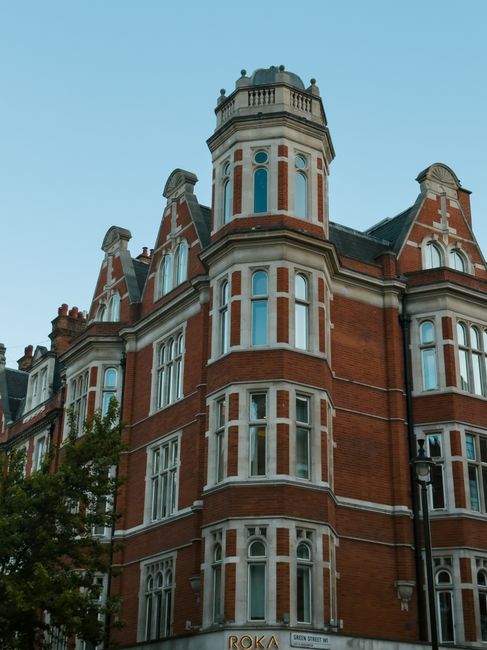
Rubbish access problems Knightsbridge Lowndes Square fixes: practical solutions for tight access, busy streets, and smooth clearances
If you have ever tried to shift rubbish from Lowndes Square and felt your plan unravel the moment you looked at the parking, the turning space, or the building entrance, you are not alone. Rubbish access problems Knightsbridge Lowndes Square fixes are less about "moving waste" and more about solving a very local logistics puzzle: narrow access, concierge requirements, resident-only streets, fragile communal areas, and timing that has to work first time. In a place like Knightsbridge, that matters. A lot.
The good news? These access issues are usually fixable with the right approach. In this guide, we will walk through what the problem really is, how professional rubbish clearance is planned around Lowndes Square conditions, which mistakes cause delays, and what practical steps help you get the job done without hassle. If you are dealing with a one-off flat clearance, trade waste, furniture, builders' debris, or an urgent same-day collection, the details below will help you make a better call.
And yes, sometimes the difference between a smooth clearance and a headache is simply knowing where the lorry can stop for two minutes. That tiny detail can save an entire afternoon.
Why Rubbish access problems Knightsbridge Lowndes Square fixes Matters
Lowndes Square is not the kind of place where you can assume easy kerbside loading, wide pavements, or endless waiting time. Buildings are often elegant, entrances can be discreet, and the street environment is built for appearance as much as utility. That sounds charming, and it is, but it creates real friction when waste needs to be removed quickly and safely.
Access issues can affect almost every part of a clearance job. A sofa may fit through the doorway but not around a tight stairwell. A builder's bag may be ready to go, but the vehicle cannot stop within a sensible distance. A concierge may need prior notice. A neighbour may not appreciate noise at 7 a.m. The result is not just inconvenience. It can lead to missed slots, extra labour, higher costs, and unnecessary strain on residents or staff.
For landlords, property managers, and local businesses, these access problems have another layer: presentation. In an area associated with high-value property and careful upkeep, a messy pile of rubbish outside the wrong entrance is more than untidy. It can look unprofessional, trigger complaints, or interfere with building rules. If you want a sense of how much local context matters in Knightsbridge more broadly, the articles on Knightsbridge's elegant character and the property market in Knightsbridge are useful background reading.
Expert summary: In Lowndes Square, the real challenge is rarely the rubbish itself. It is access, timing, permissions, and protecting the building while the rubbish leaves. Solve those four things and the job becomes much easier.
That is why access planning is not a nice-to-have. It is the job. When it is done properly, the whole process feels calm. When it is not, everything becomes awkward very quickly.
How Rubbish access problems Knightsbridge Lowndes Square fixes Works
Fixing rubbish access problems usually starts before the van arrives. A good clearance provider looks at how the waste will move from the property to the vehicle, not just at what needs collecting. That sounds obvious, but you would be surprised how often it gets skipped.
The process typically involves a few practical decisions:
- checking the entrance route from flat, office, basement, or mews access point
- identifying any narrow corridors, stairs, lifts, or shared hallways
- planning where the vehicle can safely wait without blocking residents or traffic
- deciding whether a two-person lift, larger team, or different vehicle size is needed
- confirming whether there are time restrictions from the building or street conditions
- separating bulky items, breakable items, and bagged waste before collection
In practice, the fix might be as simple as sending the right vehicle and crew. Sometimes it means using smaller load runs instead of one large attempt. In other cases, the answer is to break down furniture on-site, protect surfaces with covers, and work in stages so stairwells and lobby areas stay clear.
Here is the part people often miss: the most efficient route is not always the shortest route. In a compact square like Lowndes Square, a slightly longer walk from a safe stopping point can still be quicker than trying to force a vehicle into a poor position and then lose time negotiating with everyone involved. Bit of a paradox, really.
For businesses and mixed-use properties, it can also help to map waste movement against opening hours or concierge schedules. If you are managing commercial waste, our guide to waste removal for shops and offices on Brompton Road covers some of the same operational thinking, just in a different local setting.
When the access plan is right, rubbish collection becomes an orderly handover rather than a scramble. That is the real goal.
Key Benefits and Practical Advantages
Getting access right changes the entire experience. It may not sound glamorous, but it is the difference between a stressful clearance and a clean, efficient job.
1. Less disruption to residents and neighbours
If rubbish is removed in a controlled way, there is less noise, fewer trips through shared spaces, and less chance of blocking doorways or walkways. That is especially useful in buildings where people value quiet and privacy.
2. Lower risk of damage
Dragging bags, furniture, or construction waste through tight spaces can scratch floors, dent walls, and leave marks on stair rails. Careful access planning reduces the risk. A small thing, maybe. But a costly small thing if it goes wrong.
3. Better time control
Jobs run more smoothly when the crew knows where to park, where to load, and how long each stage should take. That means fewer delays and a lower chance of repeat visits.
4. More predictable pricing
Access issues can influence labour time and vehicle choice. When they are identified early, you are less likely to get surprised by added complexity on the day. If you want a fuller breakdown of what influences cost, the real cost guide to rubbish clearance prices is a helpful companion.
5. Cleaner compliance and better record-keeping
For property managers, offices, and landlords, a properly planned removal makes it easier to document what was collected, when it was removed, and how the process was handled. That matters when there are internal procedures or tenant handovers.
There is also a sustainability angle. A clearance carried out in an organised way is easier to sort properly, which supports reuse and recycling. If that matters to you, have a look at the site's recycling and sustainability approach. It is not fluff. Good sorting starts with good access.
Who This Is For and When It Makes Sense
This kind of service is useful for more people than you might think. Lowndes Square itself contains the kind of properties and businesses where access can be tricky even when the waste volume is not huge.
You may need this if you are:
- a resident clearing out a flat, basement storage room, or inherited items
- a landlord preparing a property for new occupants
- a letting agent arranging end-of-tenancy clearance
- a facilities manager handling office or communal waste
- a shop owner needing to clear packaging, shelving, or stock waste
- a contractor dealing with builders' rubbish, plasterboard, or mixed site debris
- someone replacing white goods, bulky furniture, or awkward appliances
It also makes sense when timing is tight. For example, if you have a move-out deadline, a same-day handover, or a contractor waiting to start work, access issues can create a domino effect. One blocked stairwell and suddenly everyone is waiting around drinking tea, looking at the clock. Not ideal.
If your situation includes bulky items, you may want to compare services such as furniture removal in Knightsbridge, builders' waste disposal, or white goods and appliance disposal. These are often affected by access in slightly different ways.
For broader use cases, the general services overview can help you understand how clearance types differ without overcomplicating things.
Step-by-Step Guidance
If you want the job to run well, do not wait until collection day to think about the route. A little preparation goes a long way.
- Identify the waste type. Separate furniture, bagged rubbish, appliances, green waste, and builders' debris. Different items often need different handling.
- Measure the awkward bits. Door widths, stair turns, lift access, basement steps, and courtyard gaps all matter. A tape measure is boring, sure, but very useful.
- Check building rules. Some properties require booking slots, protective coverings, or prior notice to concierge or management.
- Confirm vehicle access. Ask where loading can happen legally and safely. In Knightsbridge, that may affect the whole plan.
- Choose the right team size. A two-person crew is fine for some jobs. Larger or heavier clearances may need more hands.
- Protect the route. Use coverings, lifting aids, or temporary floor protection where needed.
- Load in the right order. Put the heaviest and most awkward items out first only if access allows. Otherwise, work in a sequence that keeps paths clear.
- Leave space for checks. It is worth a final look around for missed items, loose screws, or breakable debris before the vehicle leaves.
A small practical point: if you are in a building with lift access, do not assume it will take every item. Many lifts are fine for boxes and smaller bags but not for bulky sofas or large cabinets. That is where on-the-ground judgement matters more than theory.
If the collection is urgent, the difference between a straightforward clearance and a panic job can be one phone call. For genuinely time-sensitive situations, the piece on same-day rubbish removal in Knightsbridge is worth a look.
Expert Tips for Better Results
After enough clearances, you start to notice the same patterns. The smooth ones are not necessarily the biggest jobs. They are the ones where everyone knows the plan.
- Front-load the access question. Tell the provider about stairs, parking limits, concierge rules, and narrow entrances before quoting begins.
- Send photos if you can. A few honest pictures of the items, hallway, or entrance often save time and reduce guesswork.
- Separate the "easy" waste from the awkward waste. Bags and small items move faster when they are not mixed with large furniture or sharp building debris.
- Use staging space wisely. If your property has a secure internal holding area, it can make loading easier, but only if building rules allow it.
- Keep neighbours in mind. A short, polite notice can prevent complaints if the clearance involves noise or repeated trips.
- Ask about lifting and carrying methods. Good crews will explain how they will protect floors, corners, and entrances.
And here is a human one: do not underestimate the value of a calm morning start. At 8:00 a.m., a square feels different than it does at lunchtime, with more movement, more deliveries, and more pressure on space. If the job can happen earlier or in a quieter window, that often helps. Not always, but often enough.
Also, if you are a business owner or manager, keep a simple access note for future jobs. Once you know which entrance works, which concierge contact helps, and where the vehicle can stop, you have already solved half the problem for next time. That note becomes gold later on.

Common Mistakes to Avoid
Most access problems are not dramatic failures. They are small planning errors that pile up. The annoying part is that they are usually preventable.
- Assuming a large vehicle is always best. A smaller van with smarter positioning can be far more practical in Lowndes Square.
- Ignoring internal dimensions. A piece can fit through the front door and still fail at the stair bend. Classic trap.
- Leaving everything for the final hour. The most common problem is not the load itself but the rushed start.
- Forgetting building approval. Some properties expect advance notice, booked access, or proof of proper disposal.
- Mixing waste types carelessly. Mixed loads can slow sorting and make the job messy.
- Not checking parking or stopping options. In a busy part of London, this can be the difference between a quick job and repeated repositioning.
- Choosing the cheapest option without asking about access. A low quote can look great until it does not cover the realities on the day.
It sounds obvious, I know. But people still do it, especially when they are busy or stressed. A lot of access trouble begins with the phrase, "It should be fine." Sometimes it is. Often it is not.
Tools, Resources and Recommendations
You do not need a complicated toolkit, but a few practical items and habits make a big difference.
- Measuring tape: useful for doors, lifts, hallway widths, and item dimensions
- Phone camera: pictures of the load, entrance, and access route help with planning
- Basic labels or tape: good for separating rubbish types before collection
- Protective coverings: floor runners, blankets, or corner protection where needed
- Simple inventory list: especially helpful for flats, offices, and house clearances
Useful internal reading also includes the wider pages on rubbish collection in Knightsbridge, waste removal in Knightsbridge, and domestic waste collection if you are comparing different types of collection.
For payment confidence and general reassurance, the pages on payment and security and insurance and safety are sensible to review before booking any service that involves access-sensitive handling.
If you are looking for clarity on pricing before you commit, use the site's pricing and quotes information rather than guessing. A clear quote is much better than a vague promise.
Law, Compliance, Standards, or Best Practice
For rubbish access problems in Knightsbridge, compliance is not just a technical detail. It shapes how the work should be done safely and responsibly.
At a practical level, you should expect a professional clearance provider to handle waste in line with UK waste duty-of-care principles. That means waste should be collected, transported, and disposed of responsibly, with proper attention to sorting, transfer, and traceability where relevant. If a contractor cannot explain how they manage waste, that is a warning sign.
In access-sensitive areas like Lowndes Square, best practice also includes:
- avoiding damage to communal areas, lifts, and entrances
- keeping pathways clear for residents and emergency access
- respecting local parking and stopping restrictions
- using trained crews for heavy or awkward items
- carrying proper insurance for public liability and transport-related risk
- working with a valid waste carrier licence and clear compliance procedures
If you want a plain-English explanation of the company's compliance approach, the waste carrier licence and compliance page is the best place to start. That kind of reassurance matters more than most people think, especially when rubbish is moving through shared property.
The same goes for legal and policy pages. They may not be exciting reading, but they show how a provider handles data, terms, cookies, and broader obligations. For that reason, the pages on terms and conditions, privacy policy, and accessibility statement can also be useful if you are making a formal booking decision.
Options, Methods, or Comparison Table
Different access problems need different fixes. Here is a simple comparison to help you choose the right approach.
| Approach | Best for | Strengths | Trade-offs |
|---|---|---|---|
| Small van collection | Narrow streets, tight parking, lighter loads | Easier to position, less disruptive, flexible | May need more than one run for larger jobs |
| Two-person manual carry | Flats, stair access, medium-sized furniture | Good control, suitable for tight interiors | Slower for heavy or oversized items |
| Multi-person clearance team | Bulky items, offices, mixed rubbish, time-sensitive jobs | Faster, safer, better for awkward access | Usually costs more than a basic pickup |
| Staged removal | Properties with restricted lifts or shared corridors | Reduces congestion, protects communal spaces | Takes planning and coordination |
| Pre-broken-down load | Furniture or site waste that can be dismantled first | Improves route fit and loading speed | Needs time and careful handling |
For many Lowndes Square situations, the best answer is not one method but a blend. For instance, a small van plus a careful manual carry may beat a bigger truck every time. It is a bit unglamorous, but effective wins.
Case Study or Real-World Example
A resident in a Knightsbridge apartment near Lowndes Square needed to clear a mix of old furniture, boxed belongings, and a heavy white good before a property handover. The building had a narrow entrance, a lift with limited capacity, and a concierge schedule that did not leave much room for error.
The initial issue was not the quantity of rubbish. It was the route. The sofa would not fit cleanly through the most obvious path, and the lift was not suitable for the appliance. After a quick assessment, the team switched to a staged approach: smaller items were removed first, protective coverings were used in shared areas, and the large items were broken down where possible before carrying them out.
There was nothing dramatic about it. That is the point. The job worked because the access problem was treated as the centre of the plan, not an afterthought. The client avoided damage, the building stayed tidy, and the clearance finished without upsetting neighbours. In a place like Lowndes Square, that is a very good result.
If you are clearing a full property rather than just a few bulky items, the same method often helps with house clearance in Knightsbridge or office clearance, where access planning can quickly become the difference between manageable and messy.

Practical Checklist
Use this checklist before collection day. It is simple, but it catches a lot of avoidable issues.
- Have you identified every item that needs removing?
- Do you know which items are bulky, fragile, heavy, or awkward?
- Have you measured the tightest doorway, lift, or stair turn?
- Do you know where the vehicle can stop or load safely?
- Have you checked whether the building needs notice or approval?
- Are protected surfaces or coverings needed?
- Have you separated rubbish into sensible groups?
- Are there any access restrictions during certain hours?
- Do you have photos ready to share if asked?
- Have you reviewed pricing, compliance, and insurance details?
One more useful habit: keep a short note after the job about what worked. If the same building needs another clearance later, that note saves time. Access, once solved, should stay solved where possible.
Conclusion
Rubbish access problems in Knightsbridge, especially around Lowndes Square, are rarely about rubbish alone. They are about space, timing, care, and local knowledge. Once you plan for the route, the building, and the vehicle as carefully as you plan for the load, the whole process becomes much more manageable.
That is the heart of the fix: think like a logistian, not just a collector. Measure first, communicate clearly, choose the right method, and do not ignore the building environment. Whether you are dealing with a single bulky item or a full clearance, good access planning saves time, money, and stress. And to be fair, it also saves a few headaches you really do not need.
Get a free quote today and see how much you can save.